Southern Circuit of the Albertine Graben
Exploring the Geological Foundations of East Africa's Emerging Petroleum Province
Duration: 3 Days
Theme: Understanding the Geological Evolution, Resource Potential and Sustainable Development Opportunities of the Southern Albertine Graben
The Southern Circuit of the Albertine Graben offers delegates an immersive journey through one of East Africa's most spectacular geological landscapes and emerging petroleum provinces. Designed as a post-conference excursion for EAPCE 2027, the circuit provides participants with a unique opportunity to explore the geological processes that shaped the Albertine Graben, examine evidence of active petroleum systems, experience the region's rich biodiversity, and appreciate the delicate balance between natural resource development, tourism, conservation, and community livelihoods. Traversing the scenic Western Rift Valley, delegates will gain valuable insights into the evolution of the East African Rift System and its role in creating conditions favourable for hydrocarbon generation and accumulation. The excursion complements the Northern Circuit by focusing on the geological foundations of petroleum exploration and the broader environmental and socio-economic context within which resource development occurs.
DAY 1
Understanding Rift Basin Evolution and Petroleum Systems
Stop-1: Kichwamba Escarpment Viewpoint – Gateway to the Albertine Graben
The Southern Circuit begins with a visit to the Kichwamba Escarpment, one of the most spectacular viewpoints within the Western Rift Valley. From this elevated vantage point, participants will enjoy panoramic views of the Albertine Rift floor, Lakes George and Edward, the Rwenzori Mountains, and the extensive sedimentary basins that host Uganda's petroleum resources. This stop provides an ideal introduction to the geological evolution of the Albertine Graben, allowing delegates to visualize the tectonic forces, fault systems, and basin architecture that have controlled sediment deposition and hydrocarbon accumulation over millions of years. Discussions at this location will focus on rift formation, structural geology, petroleum systems development, and the geological factors that make the Albertine Graben one of Africa's most prospective onshore petroleum basins.
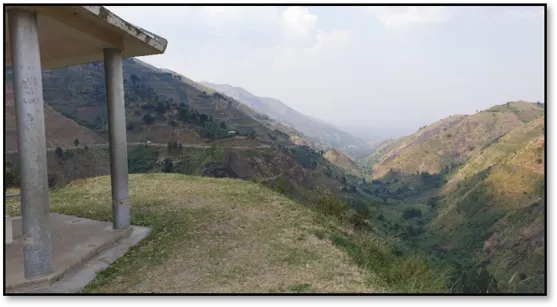
Kichwamba Fault escarpment showing the principal drainage system feeding the Semliki Basin
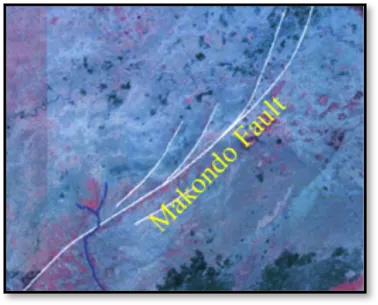
The characteristic horsetail fault structure interpreted from satellite imagery
Stop-2: Kibuku Oil Seep and Roadcut Exposure – Evidence of an Active Petroleum System
The excursion proceeds to the Kibuku Oil Seep, one of Uganda's most significant natural hydrocarbon manifestations. Here, delegates will observe visible traces of hydrocarbons that have migrated naturally to the surface, providing direct evidence of an active petroleum system within the basin. The surrounding roadcut exposures reveal sedimentary formations and reservoir-quality sandstones that are critical to understanding petroleum generation, migration, and accumulation. Technical discussions will focus on petroleum system elements, source rocks, reservoir characteristics, migration pathways, and exploration concepts that guided petroleum exploration activities within the Southern Albertine Graben.
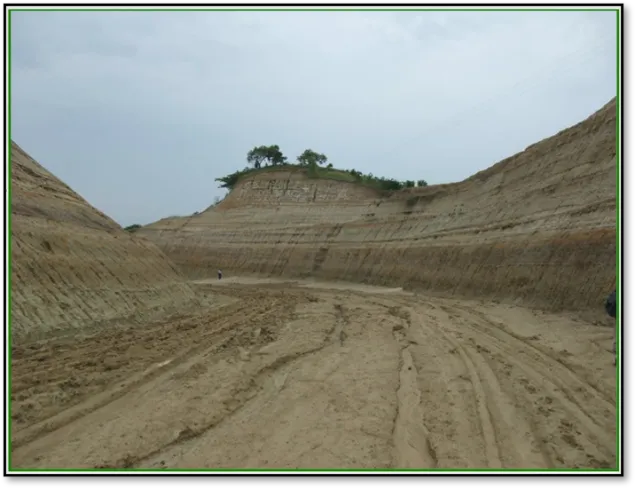
Kibuku Road Cut exposure during construction in June 2011
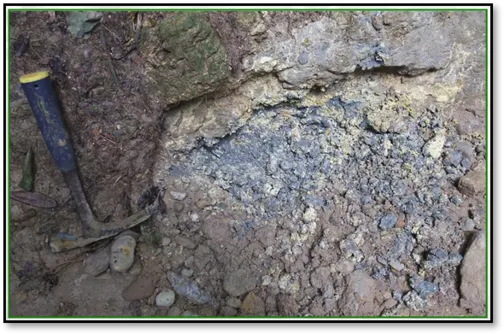
Kibuku Oil Seep, a relict seep marked by degraded oil traces close to the rift-fill basement unconformity
Stop-3: Sempaya Hot Springs – Geothermal Activity within the Rift System
Located within the Semuliki National Park, the Sempaya Hot Springs provide remarkable evidence of ongoing tectonic and geothermal processes associated with the East African Rift System. Participants will explore the relationship between deep-seated faults, geothermal fluids, groundwater circulation, and subsurface heat flow. Beyond their geological significance, the hot springs are an important tourism attraction and cultural site for surrounding communities. Discussions will examine geothermal energy potential within East Africa and the role of alternative energy resources in supporting sustainable development and energy transition initiatives.
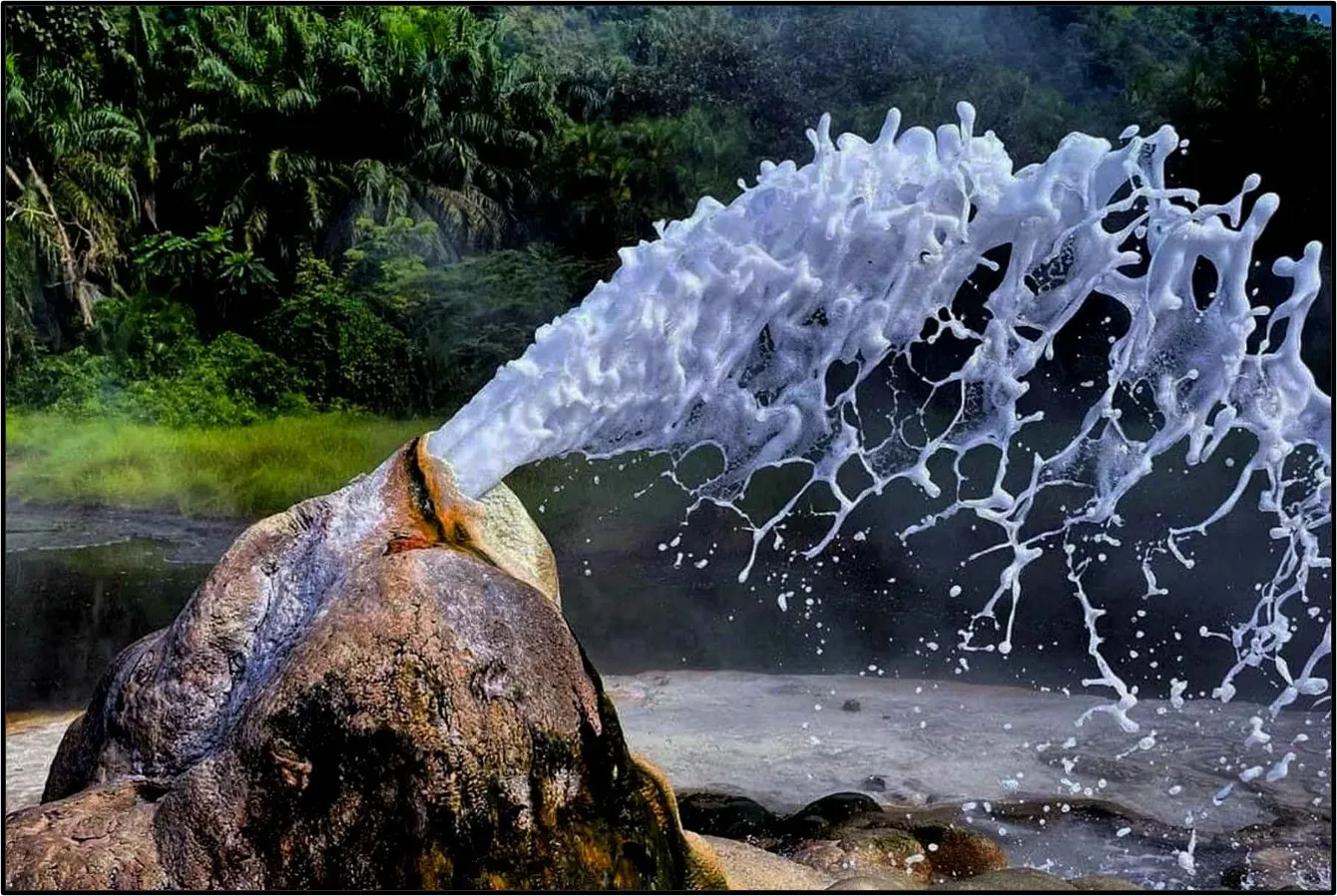
Sempaya Hot Springs, a prominent geothermal feature within the Albertine Graben
Evening Technical Dialogue – Petroleum Potential of the Southern Albertine Graben
The first day concludes with a technical dialogue bringing together geoscientists, regulators, researchers, and industry experts to discuss the geological evolution and exploration potential of the Southern Albertine Graben. The session will provide participants with a deeper understanding of ongoing exploration efforts, remaining prospectivity, and future opportunities within Uganda's frontier basins.
DAY 2
Petroleum Exploration, Conservation and Sustainable Resource Development
Stop-1: Semliki Basin Petroleum Exploration Experience
The second day begins with technical briefings on petroleum exploration activities within the Semliki Basin. Participants will gain insights into the exploration history of the basin, geological and geophysical investigations undertaken to date, and the opportunities and challenges associated with frontier petroleum exploration. Discussions will highlight how geological data, seismic interpretation, and basin modelling are used to evaluate petroleum prospectivity and guide investment decisions.
Stop-2: Bunyaruguru Crater Lakes – Volcanism and Landscape Evolution
The excursion continues to the Bunyaruguru Crater Lakes, a spectacular volcanic landscape that reflects the dynamic geological history of the Western Rift Valley. Formed by past volcanic activity associated with rifting processes, the crater lakes provide valuable insights into volcanism, tectonics, and landscape evolution. Delegates will learn how volcanic processes have influenced basin development while also appreciating the area's outstanding scenic beauty and geotourism potential.
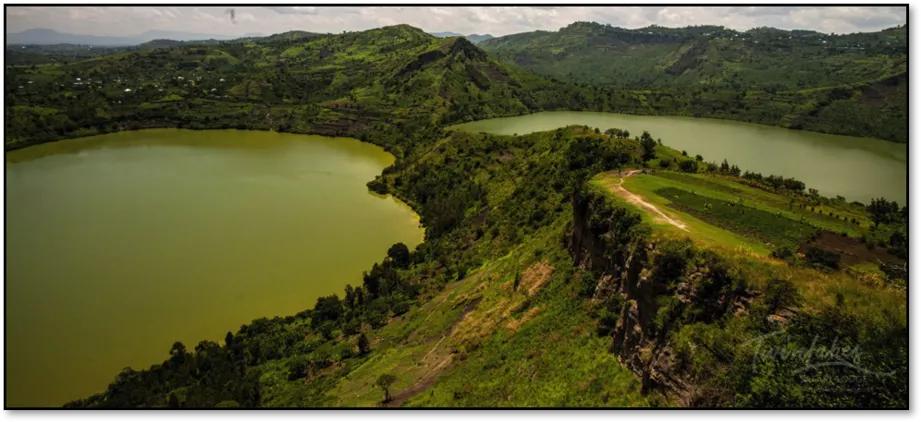
View of the twinned Crater Lakes (Lake Katinda and Lake Mirambi) in Bunyaruguru volcanic Province.
Stop-3: Kazinga Channel Boat Cruise – Biodiversity and Ecosystem Services
The afternoon features a boat cruise along the Kazinga Channel, one of Africa's most important ecological corridors linking Lakes Edward and George. The channel supports a remarkable diversity of wildlife, including large populations of elephants, buffaloes, hippopotamuses, crocodiles, and numerous bird species. As participants experience this unique ecosystem, discussions will focus on biodiversity conservation, ecosystem services, environmental stewardship, and the importance of balancing natural resource development with conservation objectives.
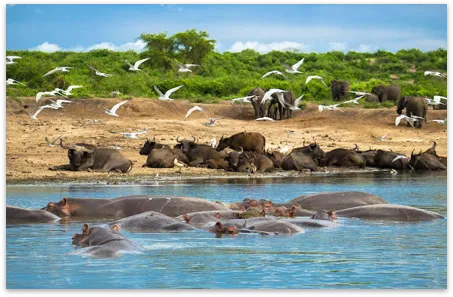
The ultimate non-stop wildlife adventure on the Kazinga Channel Boat Cruise
Evening Dialogue Session – Resource Development, Tourism and Conservation
The day concludes with an interactive discussion examining how petroleum development, tourism, conservation, and community livelihoods can coexist within environmentally sensitive regions. Drawing on experiences from Uganda and across the world, participants will explore practical approaches to achieving sustainable resource development while protecting biodiversity and promoting economic growth.
DAY 3
Biodiversity, Community Development and Investment Opportunities
Stop-1: Queen Elizabeth National Park Experience
The final day begins with a guided game drive through Queen Elizabeth National Park, Uganda's most visited protected area and one of Africa's premier wildlife destinations. The park's diverse ecosystems support a wide range of wildlife and provide an opportunity to appreciate the ecological significance of the Albertine Rift. Discussions will focus on conservation management, ecosystem services, climate resilience, and the contribution of tourism to national development.
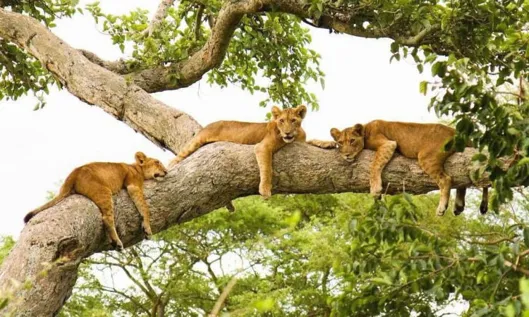
Tree-climbing lions resting in the fig trees of Queen Elizabeth National Park.
Stop-2: Community Tourism and Enterprise Development Initiatives
Participants will visit selected community-based tourism and enterprise development projects operating around the conservation landscape. These initiatives demonstrate how local communities are benefiting from tourism, conservation partnerships, and sustainable natural resource management. The visit provides valuable insights into inclusive development models and community participation in conservation efforts.
Southern Albertine Investment and Development Opportunities Forum
Before departure, delegates will participate in an investment and development forum highlighting emerging opportunities within the Southern Albertine region. Discussions will focus on petroleum exploration, geothermal energy, tourism infrastructure, environmental services, and other sectors that offer significant investment potential. The session will provide a platform for engagement between government institutions, investors, development partners, and industry stakeholders.
Reflection Session and Return to Kampala
The excursion concludes with a reflection session during which participants share experiences and key lessons learned from the three-day journey. Delegates will depart with a comprehensive understanding of the geological foundations of Uganda's petroleum province, the region's resource potential, and the importance of integrating energy development, conservation, tourism, and community well-being in pursuit of sustainable development.